

Aromatology is the study of essential oils and their therapeutic use, approached in a scientific and methodical way. It is sometimes described as the more clinical side of aromatherapy: the same materials, studied with rigour and evidence rather than tradition alone.
Where popular aromatherapy has come to mean relaxation and massage with essential oils, aromatology concerns itself with understanding what those oils are, how they behave, and how they can be used well and safely.
It is a useful word to understand, partly because it is often used loosely and partly because it is easily confused with another that means something quite different.
This post sets out what aromatology is, how it relates to aromatherapy, and where it sits in the wider craft of working with plants.
Aromatology and Aromatherapy: What is the difference?
The two words describe the same starting material, essential oils, but a different emphasis.
Aromatherapy, especially as it developed in Britain, came to be associated with the holistic use of essential oils, most often through massage and inhalation, with wellbeing and relaxation at its heart.
Aromatology places the emphasis on the science: the chemistry of the oils, their properties, their safe application, and the reasoning behind their use.
Some practitioners take aromatology to include a wider range of methods than massage alone, and in its more clinical forms it is sometimes grouped with terms such as clinical aromatherapy and aromatic medicine.
In truth the line between the two is debated, and many would say aromatology is simply aromatherapy taken seriously and understood fully rather than a separate thing. The distinction is one of emphasis and rigour, not of a different subject.
One point worth being clear about: some clinical traditions of aromatology extend to the internal use of essential oils. That is a specialised and safety-sensitive area, and it is not part of how we teach or practise.
The work we do, and the discipline described further down this page, stays with formulations applied to the skin.
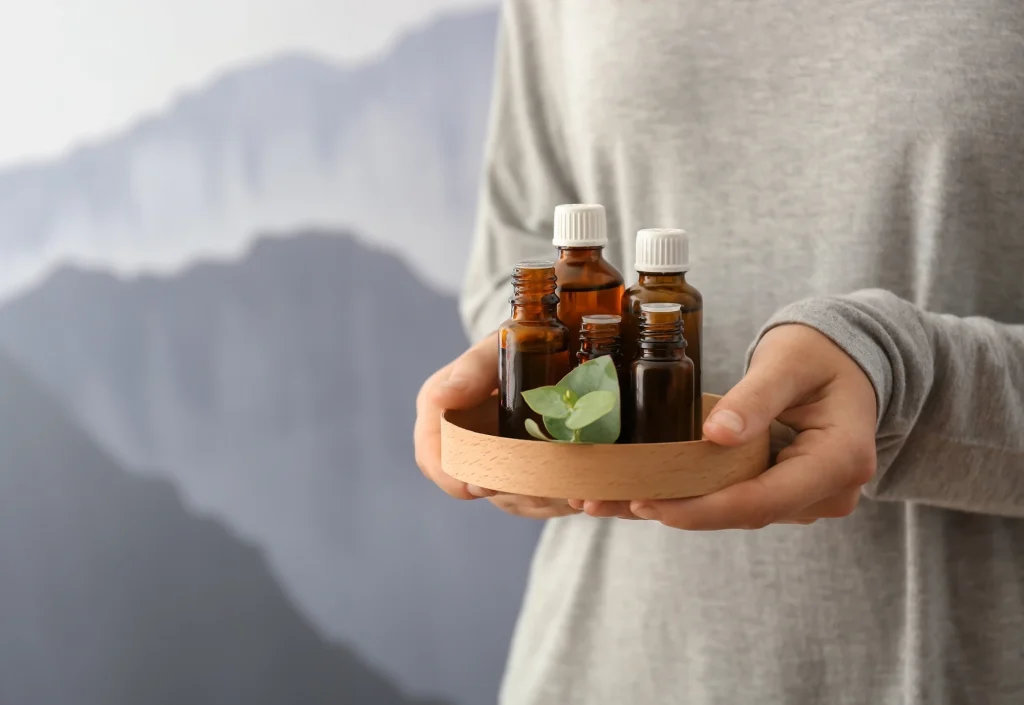
Aromatology is not Aromachology
These two words are constantly mistaken for one another, and they are not the same thing at all.
Aromatology, as above, is about essential oils and their therapeutic use.
Aromachology is the study of how scent chemicals influence mood, emotion, and behaviour. It often includes synthetic fragrance as well as natural, and it grew largely out of commercial and psychological research into how smell affects people, including in retail settings.
If you have read that a particular shop scents its air to encourage browsing, that is aromachology, not aromatology.
When you are reading around the subject, it is worth checking which of the two a source actually means, because they lead in very different directions.
What Aromatology studies
At its core, aromatology is concerned with essential oils as materials: how they are produced, what they are made of, what their constituents do, and how they can be used with reasoning and care.
That includes the chemistry of the oils and the families of compounds within them, their individual properties and the evidence behind them, questions of quality and adulteration, and above all safe use: appropriate dilution, sensible cautions, and an honest understanding of what an essential oil can and cannot do.
Alongside essential oils, the field naturally takes in the other aromatic materials that come from the same plants, such as hydrolats and certain extracts, though these are less concentrated and are used differently.
It is, in short, deep knowledge of one important family of materials. That depth is genuinely valuable. It is also, on its own, only part of what it takes to make something good for a particular person.
Where Aromatology fits in Therapeutic Formulation
This is the part that matters most for anyone deciding how to develop their practice.
Aromatology answers the question “what do these essential oils do, and how are they best used?” It is organised around the materials.
Therapeutic Formulation asks a different question: “what does this person need, and how do I build a formulation for them?“
It is organised around the person, and it draws on aromatological knowledge as one input among several.
The difference shows in the palette. Aromatology is essential-oil-centric by definition.
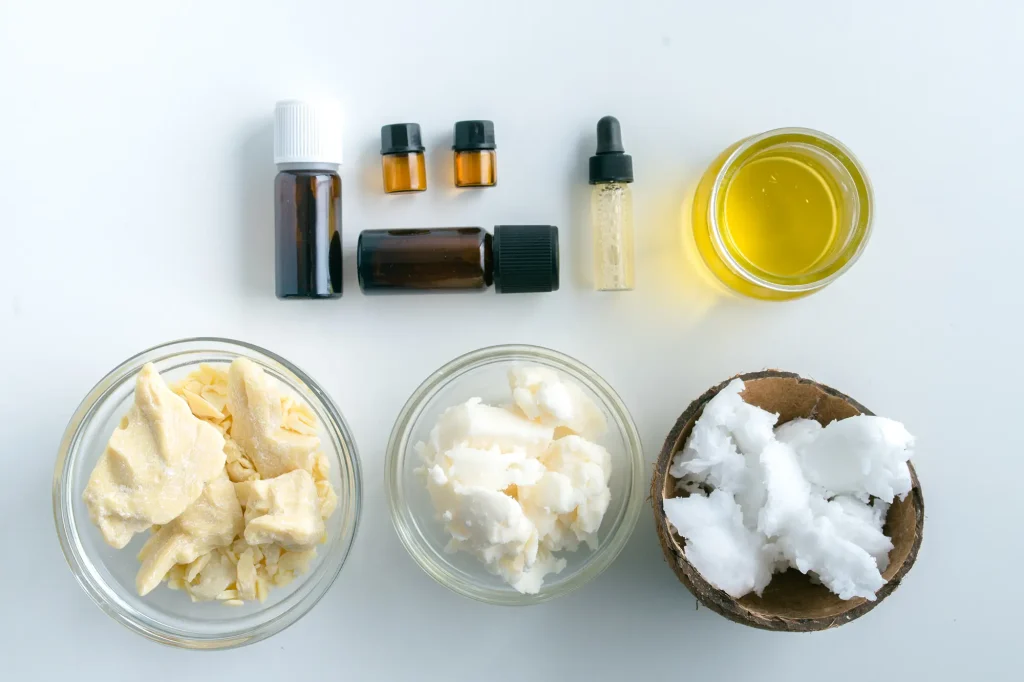
Therapeutic Formulation works across the whole range of plant materials, essential oils among them, but also vegetable and carrier oils, hydrolats, and plant actives, chosen and combined for how they work together and for the person they are meant to serve.
A therapeutic formulator uses what aromatology understands about essential oils, then goes further, because the essential oil is rarely the whole answer and is often a small part of it.
So aromatology is not a rival to therapeutic formulation, and nothing here is meant to diminish it. It is a body of knowledge that a good therapeutic formulator relies on and respects, sitting inside a broader discipline that is organised around people and the making of complete formulations.
Why the distinction matters
If you are drawn to this field, it helps to know what you are actually looking for.
If your interest is essential oils specifically, their science and their careful use, then Aromatology is your subject, and it is a rich one.
If your interest is in creating considered, safe formulations for the people you work with, using the full range of plant materials rather than essential oils alone, then you are looking for Therapeutic Formulation, and aromatology will be one of the things you learn along the way rather than the whole focus of it.
Neither is better than the other. They are different scopes, and knowing which one you want saves a good deal of time.
Learning more
Aromatology is one of the strands that feeds into the way we teach at Purodem. We treat essential oils with the seriousness the science deserves, and we set that knowledge within the wider craft of formulating for a person, which is the subject of our Integrative Therapeutic Formulation programme.
If you would like to understand the broader discipline, the place to start is our explanation of what Integrative Therapeutic Formulation is. And if you would like to know more about our Integrative Therapeutic Formulation qualification, please visit our course page Integrative Therapeutic Formulation.